
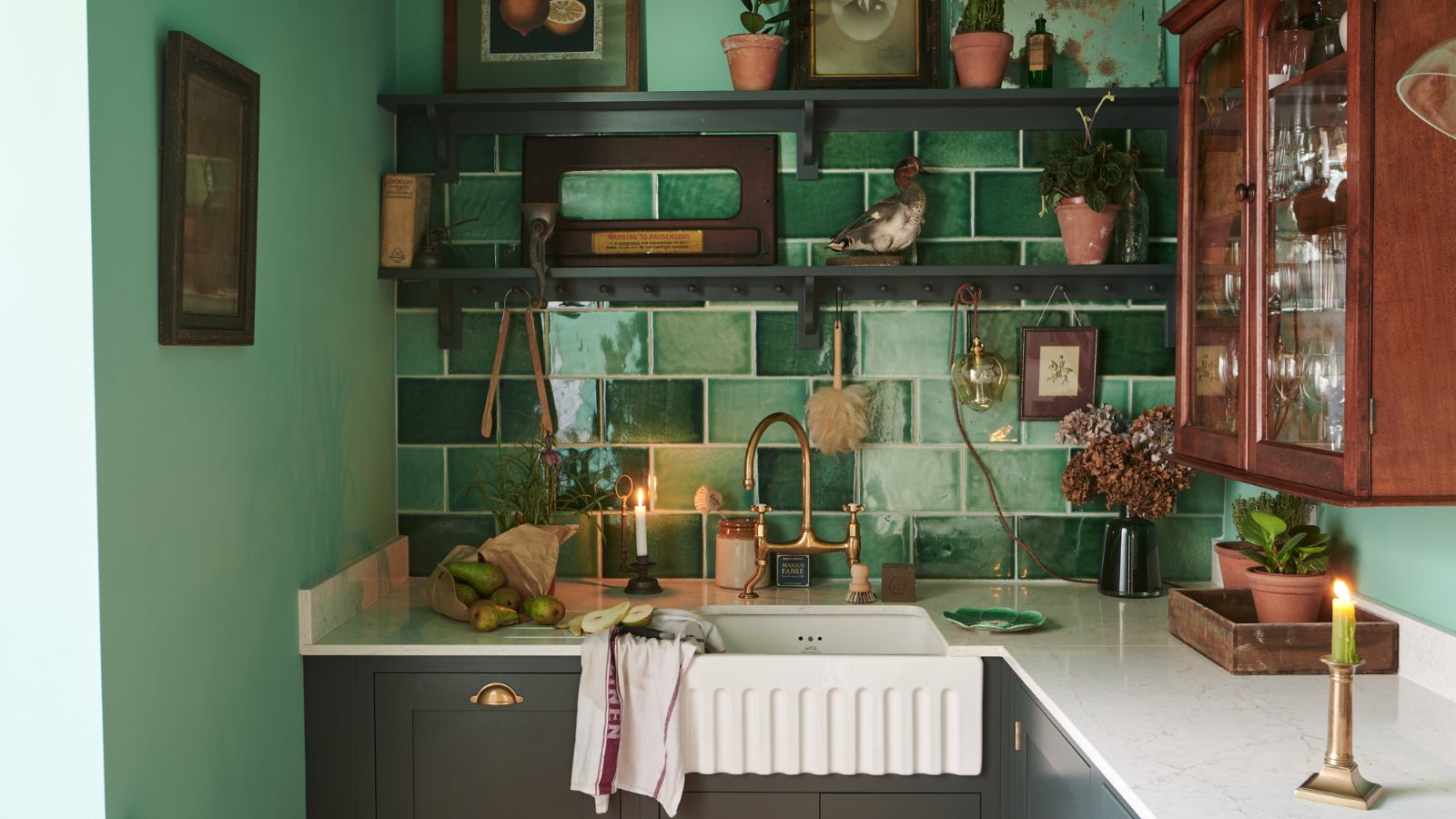
How I Help Families Create Calm, Functional Spaces in Gananoque and Napanee Homes
When families in Gananoque and Napanee reach out to me, they’re rarely just asking for organization. What they’re really asking for is relief. Relief from the constant mess. Relief from feeling behind. Relief from homes that no longer feel calm, supportive, or functional for the lives they’re living now.
I hear it in their voices right away:
“Our house just feels chaotic.”
“I can’t keep up anymore.”
“No matter how much I clean, it never stays calm.”
“I want my home to feel peaceful again.”
Families aren’t failing at keeping their homes organized. Life has simply outgrown the systems they’re using. Over time, busy schedules, growing children, changing routines, emotional attachments, and limited storage quietly turn functional spaces into sources of stress.
My role is to help families reset those spaces — not by forcing perfection, but by creating calm, functional environments that actually support daily life in Gananoque and Napanee homes.
This blog walks through exactly how I do that, step by step, and why this approach works long after the initial decluttering is done.
Why Calm Feels So Hard to Maintain in Family Homes
Family homes are constantly in motion. People are coming and going. Items are moving from room to room. Schedules overlap. Energy levels fluctuate. When systems don’t exist — or no longer fit — clutter fills the gaps.
In Gananoque and Napanee homes, I often see clutter build because of:
Multi-purpose rooms with no clear boundaries
Storage that doesn’t match how families actually live
Homes holding items from multiple life stages
Busy routines that leave little time for reset
Emotional attachment to belongings
A lack of simple, maintainable systems
Over time, the home becomes reactive instead of supportive. Families feel like they’re constantly responding to mess instead of living comfortably within their space.
Creating calm doesn’t start with organizing bins. It starts with understanding how the family lives.
Step One: Understanding the Family Before Touching the Space
Before I ever move an item, I take time to understand the family. This is one of the most important parts of my process.
I ask questions like:
What does a typical weekday look like?
Which part of the day feels the most stressful?
Which spaces frustrate you the most?
Where does clutter collect fastest?
What do you wish felt easier at home?
How do you want your home to feel?
These conversations matter because organization should serve the family — not the other way around. A system that looks good but doesn’t fit real life will never last.
Once I understand the family’s routines, priorities, and pressure points, I can design spaces that support them instead of working against them.
Step Two: Identifying the Spaces That Disrupt Calm the Most
Not every space causes equal stress. Some areas quietly drain energy every single day.
In Gananoque and Napanee homes, the most common stress zones include:
Entryways that collect everything
Kitchens with cluttered counters
Living rooms filled with scattered items
Bedrooms that don’t feel restful
Play areas without clear structure
Storage rooms that have become overwhelming
Laundry spaces that feel chaotic
Instead of tackling the entire home at once, I focus on the spaces that will create the biggest emotional relief first. When one space feels calm again, it changes how the entire home feels.
Early wins matter. They build confidence and momentum.
Step Three: Decluttering With Structure and Emotional Ease
Decluttering often feels overwhelming because people try to do too much at once. My approach removes that pressure by following a clear, repeatable structure.
Every space is decluttered using supportive categories:
Items that actively support daily life
Items that no longer serve a purpose
Items that belong elsewhere in the home
Items that need more time before a decision
There is no rushing. There is no judgment. Families are never forced to make decisions they aren’t ready for.
Decluttering often brings emotions to the surface — nostalgia, guilt, relief, even grief. I create space for those emotions instead of pushing past them. When people feel emotionally safe, they make better decisions — and those decisions last.
Step Four: Understanding Why the Space Became Overwhelming
Decluttering alone doesn’t solve the problem. Without understanding why clutter built up in the first place, it will always return.
I look closely at:
How items enter the space
Where things naturally land
Which habits are already in place
What storage is missing or misused
How the layout affects movement
What routines the family actually follows
In many Gananoque and Napanee homes, clutter exists because storage is far from where items are used, or because spaces are trying to serve too many purposes without structure.
Once the cause is clear, the solution becomes obvious — and sustainable.
Step Five: Rebuilding Spaces Around Function, Not Appearance
After decluttering, I reset each space with function as the top priority.
I consider:
Who uses the space
How often items are used
Accessibility and height
Visual simplicity
Natural traffic patterns
Existing habits
Instead of forcing families to change how they live, I design systems that support how they already move through their home.
This might include:
Creating drop zones to catch daily clutter
Moving storage closer to where items are used
Simplifying categories to reduce decision fatigue
Making storage visible and easy to access
Reducing steps required to put things away
When systems are intuitive, families use them naturally — without effort.
Step Six: Creating Visual Calm to Reduce Mental Stress
Visual clutter has a powerful effect on how a home feels. Even small amounts can make a space feel busy or chaotic.
Part of creating calm involves:
Clearing excess surfaces
Grouping similar items together
Limiting open storage
Leaving intentional empty space
Creating visual balance
When visual noise is reduced, families often say they feel calmer immediately. The home begins to feel lighter, more spacious, and easier to manage — even before every room is complete.
Step Seven: Designing Family-Friendly Systems Everyone Can Maintain
A space only stays functional if everyone in the household can maintain it.
That’s why I design systems that:
Are easy for children to understand
Don’t require constant supervision
Use simple categories
Are reachable and accessible
Don’t rely on perfection
When systems are too complicated, clutter returns quickly. When systems are simple, families naturally keep using them.
This is especially important in busy family homes where time and energy are limited.
Step Eight: Teaching Gentle Maintenance That Fits Real Life
Calm spaces don’t require constant effort — they require small, consistent habits.
I guide families through:
Short daily resets that take minutes
Weekly check-ins to prevent buildup
Flexible routines that adapt to busy weeks
Clear boundaries for incoming items
Maintenance should feel supportive, not like another chore. When systems fit real life, families stop feeling behind and start feeling in control.
Step Nine: The Emotional Shift That Happens When Calm Returns
One of the most meaningful parts of my work is witnessing the emotional change that happens when a home becomes calm and functional again.
Families often tell me:
“I can breathe again.”
“My home finally feels peaceful.”
“I didn’t realize how much this was affecting me.”
“Everything feels easier.”
“We enjoy being at home again.”
Calm spaces don’t just change how a home looks — they change how people feel, how they interact, and how they move through their day.
Why This Approach Works So Well in Gananoque and Napanee Homes
Homes in Gananoque and Napanee often have unique layouts, evolving family needs, and layers of belongings built up over time. A rigid approach simply doesn’t work.
My approach works because it:
Respects the home’s layout
Respects the family’s emotions
Adapts to real routines
Focuses on long-term ease
Removes guilt and pressure
Instead of forcing families to live differently, I help their home support the life they’re already living.
Final Thoughts: Calm Is Created Intentionally
Calm doesn’t happen by accident. It’s created through thoughtful decisions, supportive systems, and spaces that reflect real life.
When I help families in Gananoque and Napanee create calm, functional spaces, I’m not just organizing rooms — I’m helping them reclaim comfort, clarity, and control within their home.
A home should feel like a place of rest, not another responsibility.
And when calm is built into the space, everything changes.