
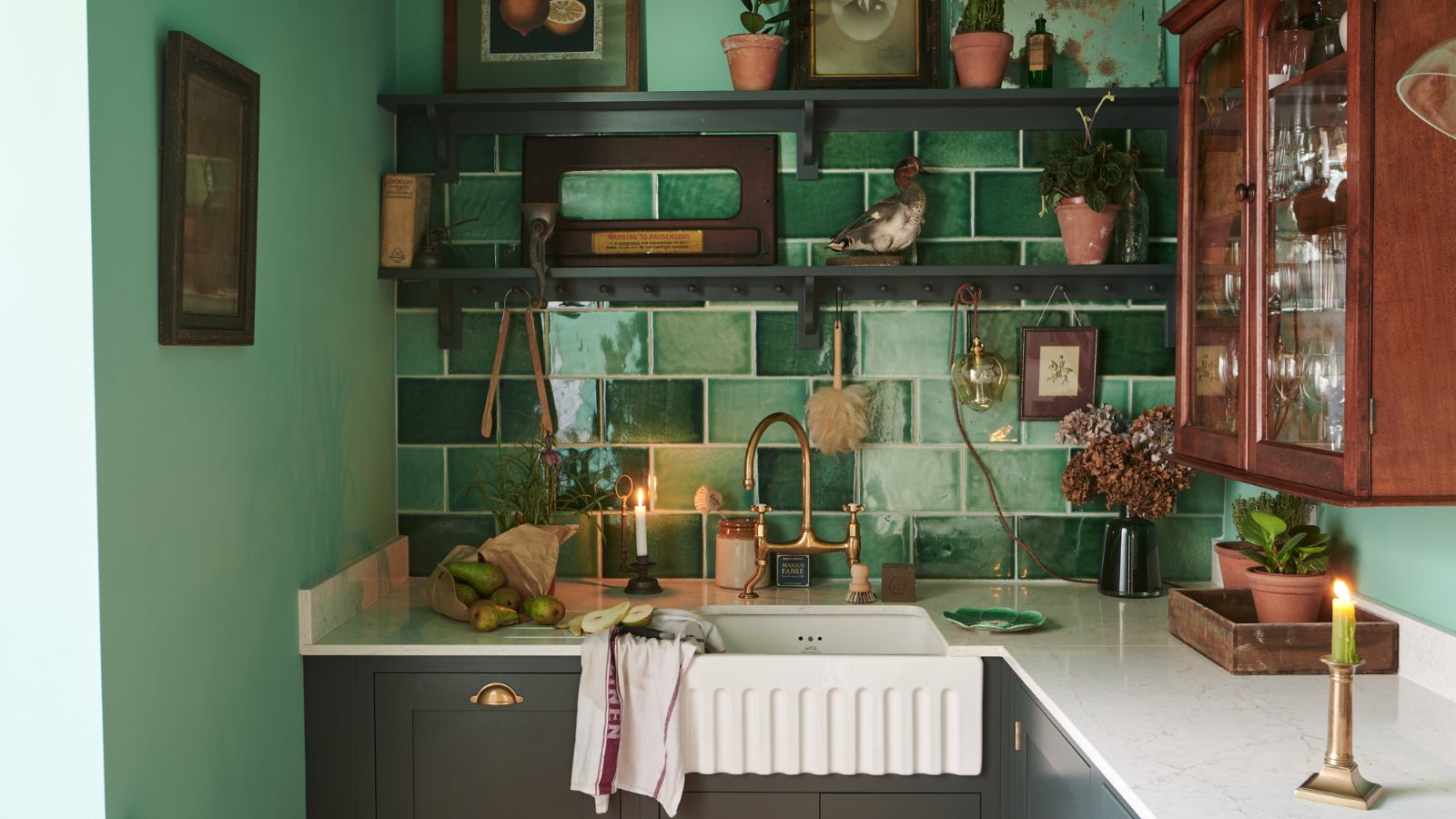
What Really Happens During a Full-Home Declutter — A Behind-the-Scenes Look
When people imagine a full-home decluttering session, they usually picture something quick and simple — a few boxes, a few bags, maybe some labeling, a bit of furniture shifting, and suddenly everything looks perfect.
But the truth is, a full-home declutter is a deep, emotional, and highly transformative process. It’s not just about removing items. It’s about walking through layers of someone’s life, understanding their habits, supporting their emotions, and rebuilding their home as a space that truly supports them.
When homeowners in Kingston, Amherstview, Gananoque, Napanee, or Odessa reach out to me for a full-home declutter, they often say:
“I’m overwhelmed.”
“I don’t even know where to start.”
“I’ve tried before and it never sticks.”
“My home doesn’t feel like mine anymore.”
A full-home declutter isn’t just a service — it’s a journey. And today, I want to take you behind the scenes to show you exactly what happens from the moment I walk through the door to the moment the home feels peaceful again.
This is the real, honest, step-by-step process of transforming an entire household.
1. Understanding the Family, Not Just the Home
Before I begin looking at spaces, I want to understand the people who live in them.
Every family in Kingston or Amherstview has its own rhythm:
morning routines
work schedules
kids’ habits
hobbies
emotional attachments
stress points
storage limitations
unique challenges
So the first part of a full-home declutter is always a conversation. I ask:
“What frustrates you most about your home right now?”
“What spaces drain your energy?”
“What spaces you avoid?”
“What kind of home do you WANT to live in?”
“What does your ideal day look like inside your home?”
This tells me everything I need to know about how to approach the project — not from a place of judgment, but from deep understanding.
Because decluttering a home isn’t about making it look perfect.
It’s about making it feel supportive, functional, and peaceful.
2. Walking the Home With a Trained Eye (And Zero Judgment)
One of the biggest fears homeowners have is that they’ll be judged for the state of their home. Relax — I don’t judge anyone. Not ever.
I walk the home slowly, noticing:
✔ Where clutter gathers
These are “hotspots.”
✔ Areas of emotional weight
Certain rooms hold memories, grief, or past versions of life.
✔ Flow and layout
Sometimes the home isn’t cluttered — the flow is just blocked.
✔ Storage strengths and weaknesses
Tiny closets, deep cupboards, narrow hallways — I see all of it.
✔ Family habits that unintentionally create clutter
Shoes piling near the door
Mail stacking on counters
Laundry baskets without a system
My goal is not to critique — it’s to understand.
Often, clients breathe a sigh of relief when they realize:
“My home isn’t a disaster. It just needs systems.”
And that’s the truth.
3. Choosing a Starting Point That Builds Confidence
One of the worst mistakes people make is trying to declutter the hardest room first.
A full-home declutter needs momentum — just like any major transformation.
So I choose one of these as the starting point:
a small but high-use area
a space causing daily frustration
a room with easy decisions
a space that gives an emotional “win”
In Kingston homes, closets and entryways often make the perfect starting point.
In Amherstview homes, kitchens or living spaces often create the biggest relief early on.
Once we complete the first space, the energy shifts completely.
Clients almost always say:
“I didn’t think it could look like this.”
That’s how we know we’re ready for the bigger spaces.
4. Emptying the Space: The Step That Changes Everything
This part feels messy at first — but it’s essential.
When I empty a room, a closet, or even a single drawer, homeowners often panic for a moment. Seeing everything laid out can feel overwhelming.
But this is the moment transformation begins.
When everything comes out, you finally see:
✔ how much you own
✔ what you forgot you had
✔ what no longer serves you
✔ what needs a proper home
✔ what is weighing you down emotionally
The temporary mess is part of the process — not a sign that things are getting worse. It’s the beginning of clarity.
I always remind clients:
“This is the part where everything starts to make sense.”
And it always does.
5. Sorting: The Deepest Emotional Work of the Entire Process
Sorting is the heart of a full-home declutter.
This is where homeowners start to understand what truly matters to them.
I guide them gently through five categories:
1. Keep — items that support your current life
Not your past life. Not your imagined future. Your NOW.
2. Donate — items that still have value but not for you
Someone else will love them.
3. Recycle / Dispose — items that have served their time
This category brings huge relief.
4. Rehome — items that belong somewhere else in the house
This is where better systems start forming.
5. Not Ready — a safe category with zero pressure
Decision fatigue is real. This removes anxiety.
During this process, I watch emotional shifts happen:
People laugh at forgotten memories.
People cry when they let go of something heavy.
People feel proud when they make a decision they’ve avoided for years.
People feel lighter, clearer, calmer.
Decluttering isn’t about stuff.
It’s about releasing old energy and making room for better things.
6. Rebuilding the Space With Intentional Systems
Once we’ve sorted everything, it’s time to rebuild the space.
This is the part that feels like magic — but it’s really strategy.
I design systems that match:
the family’s lifestyle
the space’s limitations
the home’s natural flow
the homeowner’s habits
the emotional meaning behind items
how often items are used
I always ask:
“Does this system make your life easier in 30 seconds or less?”
A system should never be complicated.
The simpler the system, the longer it lasts.
Some of my favorite solutions for Kingston and Amherstview homes include:
vertical shelf dividers
slim bins for tight spaces
rotating seasonal storage
labeled drop zones
soft bins for kid-friendly areas
shallow organizers for deep cupboards
door-mounted storage for narrow rooms
“grab-and-go” stations for busy mornings
Once the space is rebuilt, homeowners often stand silently for a moment — just taking it in.
That silence is always my favorite part of the job.
7. Repeating the Process Room by Room — With Compassion, Not Pressure
A full-home declutter is not a race.
Some rooms take longer.
Some rooms require deeper emotional processing.
Some rooms are so filled with memories that we need to slow down and breathe.
I move through the home in a pattern that balances:
efficiency
emotion
practicality
homeowner energy
daily routines
Spaces we usually tackle include:
Kitchens (biggest transformation in daily life)
Bedrooms (rest is essential)
Closets (quick wins and huge impact)
Living rooms (visual calm)
Laundry areas (function matters)
Bathrooms (fast reset)
Home offices (mental clarity)
Storage spaces (long-term relief)
The order depends on the homeowner’s needs.
The pace depends on their emotional readiness.
This is not a one-size-fits-all process.
This is deeply personal work.
8. Addressing Hidden Clutter and Emotional Storage Rooms
Almost every home has “that one room” that holds:
old paperwork
childhood items
sentimental items
inherited belongings
forgotten projects
hobby supplies
things people feel guilty letting go of
These rooms require patience, understanding, and time.
I never push.
I never rush.
I never judge.
Instead, I guide homeowners through emotional clarity:
“Does this represent who you are today?”
“Does this bring joy or heaviness?”
“Is this something you want in your future?”
“Is keeping this helping you or hurting you?”
Breakthrough moments usually happen here.
The deepest releases happen here.
And the biggest transformations happen here.
9. Finalizing the Home: Creating a Calm, Functional Flow
Once every room is complete, we shift into the final stage of the full-home declutter:
✔ Refining systems
Fine-tuning zones so they flow naturally.
✔ Creating visual calm
Surfaces clear, objects intentional, energy light.
✔ Teaching maintenance routines
I show the family exactly how to keep the home clutter-free with minimal effort.
✔ Addressing future challenges
Every home has unique tendencies — I prepare families for them.
✔ Celebrating emotional progress
Decluttering is just as emotional as it is physical.
Acknowledging the transformation matters.
By the end, the home feels drastically different.
Not just cleaner.
Not just organized.
But calmer.
Lighter.
More aligned.
More supportive.
More peaceful.
10. The Real Transformation Is What Happens Inside the Homeowners
Full-home decluttering transforms:
the home
the family
routines
emotions
energy
mental clarity
confidence
Many homeowners tell me:
“I feel like a weight has lifted.”
“I feel ready for the next chapter of my life.”
“I can finally breathe again.”
“This feels like a new beginning.”
And it is.
Decluttering is not about perfection.
It’s about reclaiming your space and your peace.
It’s about creating a home that supports you emotionally, mentally, and physically — every day.
Final Thoughts: A Full-Home Declutter Is a Transformation, Not a Cleanup
When people invite me into their homes in Kingston, Amherstview, Gananoque, Napanee, or Odessa, they’re not just asking for help with clutter.
They’re asking for:
clarity
calm
support
guidance
emotional relief
structure
confidence
a fresh start
A full-home declutter is a journey that changes both the home and the homeowner.
And it is one of the most rewarding parts of my work.
Every home has a story.
Every family has a reason.
Every space has potential.
And every homeowner deserves a home that feels peaceful, functional, and aligned with the life they want to live.