
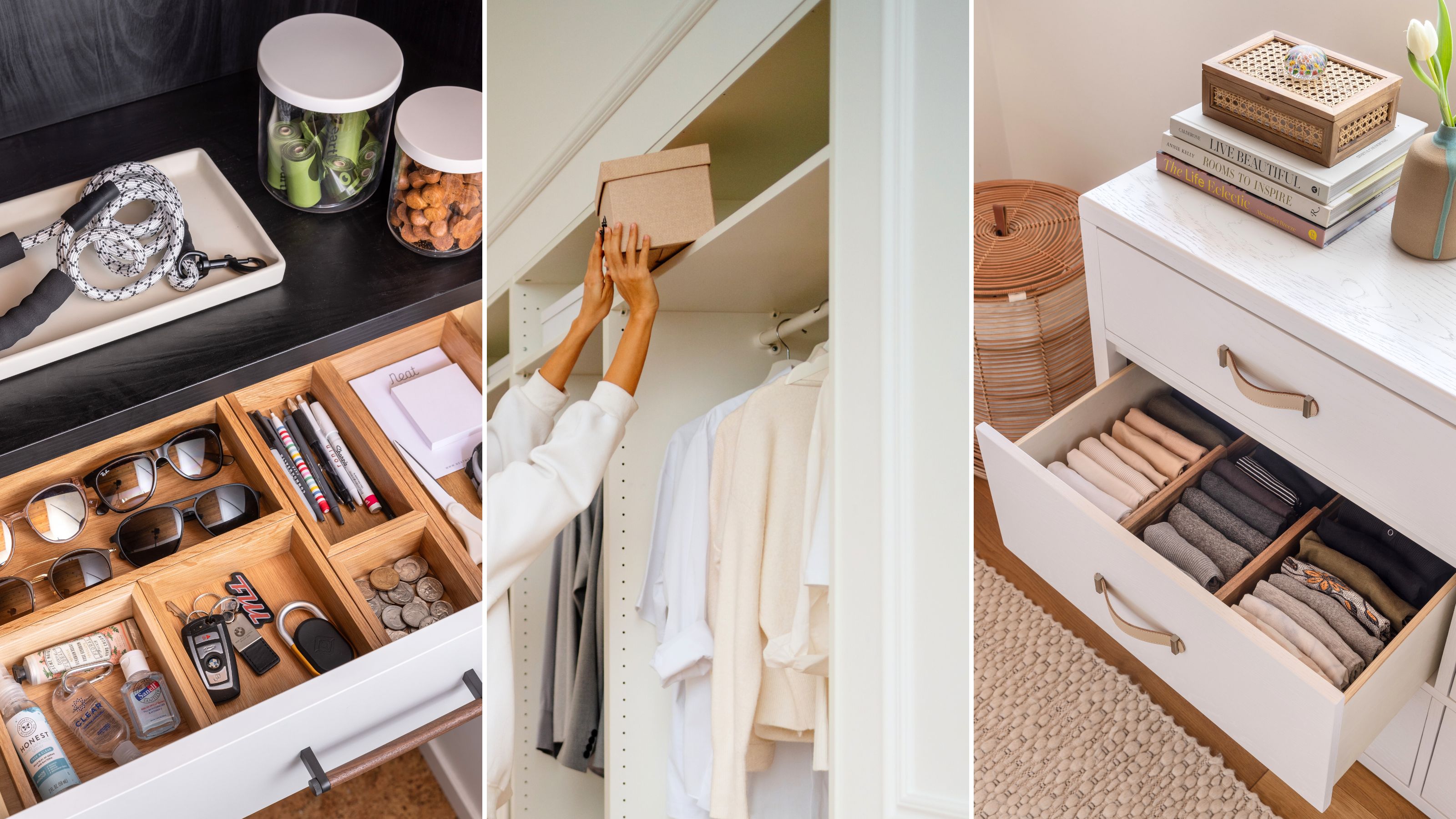
My Proven Room-by-Room Decluttering Plan for Families in Kingston and Amherstview
Decluttering as a family can feel overwhelming. In fact, many of the families I work with in Kingston and Amherstview tell me the same thing:
“We want a calmer home, but we don’t know where to start.”
“We try to clean up, but it never lasts.”
“The clutter keeps coming back faster than we can handle it.”
“We’re busy, and we can’t declutter everything at once.”
Family life is full. Homes are constantly in motion. Between work schedules, school routines, meals, activities, and everyday responsibilities, clutter builds quietly in the background until it feels like the house is running the family instead of the other way around.
That’s why decluttering needs structure. It needs a realistic plan that works for busy families — not an all-at-once purge that leads to burnout.
Over the years, I’ve developed a proven room-by-room decluttering plan that helps families in Kingston and Amherstview create calm, functional spaces without feeling overwhelmed or stuck. This plan is designed to build momentum, reduce stress, and create results that actually last.
In this blog, I’m going to walk you through my full process, step by step, room by room, so you can understand exactly how I approach family decluttering in a way that feels manageable and supportive.
Why Room-by-Room Decluttering Works Best for Families
Many people try to declutter by tackling “everything.” They start pulling items from closets, moving piles around, or jumping between rooms.
That approach usually fails because it creates:
Too many decisions at once
Bigger messes before relief
Mental exhaustion
Emotional shutdown
Abandoned projects
Families don’t need more chaos during decluttering. They need clarity.
Room-by-room decluttering works because:
Each space feels complete before moving on
Progress is visible quickly
Systems can be built as you go
Families stay motivated
Overwhelm stays low
Instead of trying to fix the entire home in a weekend, the home resets gradually — and sustainably.
The Foundation of My Plan: Declutter What Impacts Daily Life First
Before I walk through each room, here’s the rule I always follow:
Start with the spaces that affect daily routines the most.
In Kingston and Amherstview family homes, the most stressful clutter zones are usually:
Entryways
Kitchens
Living rooms
Bedrooms
Bathrooms
These are the spaces families use constantly. When these areas feel calm, everything else becomes easier.
Room One: The Entryway (Where Clutter Begins)
The entryway is one of the most important starting points because it sets the tone for the entire home.
When entryways are cluttered, families experience:
Stress immediately upon walking in
Lost shoes, bags, and keys
Piles that spread into other rooms
Constant visual chaos
What I Declutter First Here
Shoes that aren’t worn regularly
Coats from other seasons
Bags without a designated home
Random items that migrated from inside the house
Paper clutter with no system
How I Reset the Space
I create simple boundaries:
A limited shoe zone
Hooks for daily coats
A drop spot for keys and essentials
A contained space for mail
Once the entryway feels controlled, families feel an instant sense of relief.
Room Two: The Kitchen (The Heart of the Home)
In family homes, the kitchen is often where clutter builds fastest.
Counters become dumping zones for:
Mail
School papers
Appliances
Snacks
Random household items
A cluttered kitchen creates constant stress because families are always in this space.
What I Declutter First
Anything on counters that isn’t used daily
Duplicate gadgets and unused tools
Expired pantry items
Overflowing junk drawers
How I Reset the Kitchen
I focus on function:
Clear counters as much as possible
Store items close to where they’re used
Create a simple paper zone away from food prep
Keep categories broad and easy
A calm kitchen changes how the entire home feels.
Room Three: The Living Room (The Shared Family Space)
Living rooms often become clutter catch-alls because they’re shared by everyone.
Common clutter includes:
Toys
Blankets
Papers
Items that don’t belong there
Overflow from other rooms
What I Declutter First
Items that clearly belong elsewhere
Toys that are no longer used
Decor that adds visual noise
Overloaded shelves
How I Reset the Living Room
I create simple containment:
Baskets for toys
Clear zones for family activities
Limits on what stays on surfaces
Easy reset routines for the end of the day
The goal is not a perfect showroom — it’s a space that feels peaceful and usable.
Room Four: Bedrooms (Rest Starts With Calm)
Bedrooms are often overlooked, but they affect sleep, stress, and emotional wellbeing.
In Kingston and Amherstview homes, bedroom clutter often comes from:
Clothing piles
Overfilled dressers
Items with no home
Floors becoming storage
What I Declutter First
Clothing that isn’t worn
Items stored in bedrooms that belong elsewhere
Overflow on nightstands
Visual clutter that disrupts calm
How I Reset Bedrooms
I focus on creating rest:
Clear floors first
Keep surfaces minimal
Store daily items within reach
Simplify clothing storage
A calm bedroom improves daily life immediately.
Room Five: Bathrooms (Small Space, Big Impact)
Bathrooms are high-impact decluttering zones because they’re used every day.
Clutter builds through:
Expired products
Overflowing drawers
Too many duplicates
Unused toiletries
What I Declutter First
Expired items
Products that aren’t used
Duplicates
Overflow on counters
How I Reset Bathrooms
I keep systems simple:
Only daily essentials accessible
Backups stored neatly
Clear counter space
Bathrooms reset quickly and build momentum fast.
Room Six: Closets (Only After Daily Spaces Are Stable)
Closets are emotionally harder because they require more decisions.
That’s why I don’t start here — I come here once the home already feels calmer.
What I Declutter First
Items that no longer fit or serve
Clothing kept out of guilt
Excess duplicates
Things that haven’t been touched in years
How I Reset Closets
Keep categories broad
Store seasonal items separately
Make daily clothing easy to access
Closets become supportive instead of stressful.
Room Seven: Storage Areas (The Final Phase)
Only once the main home feels functional do I move into storage.
Storage clutter often includes:
Forgotten boxes
“Just in case” items
Old hobbies
Sentimental overflow
What I Declutter First
Broken or unusable items
Duplicates
Items with no purpose
Things kept purely out of obligation
Storage spaces become manageable when the rest of the home is already stable.
The Key to Success: Decluttering With Maintenance in Mind
Decluttering only lasts when families have systems that support them afterward.
That’s why I always build:
Drop zones
Simple categories
Daily reset habits
Weekly check-ins
Clear boundaries for incoming items
Organization should reduce effort, not add to it.
Final Thoughts: Decluttering as a Family Is About Calm, Not Perfection
Families in Kingston and Amherstview don’t need perfect homes. They need homes that feel supportive, calm, and functional.
This room-by-room plan works because it:
Reduces overwhelm
Builds momentum
Creates visible progress
Supports real family life
Produces lasting systems
Decluttering isn’t about doing everything at once.
It’s about moving step by step toward a home that feels easier to live in.
And when families follow a clear plan, decluttering stops feeling impossible — and starts feeling empowering.