
How I Help Kingston Homeowners Declutter Without Feeling Overwhelmed or Stuck
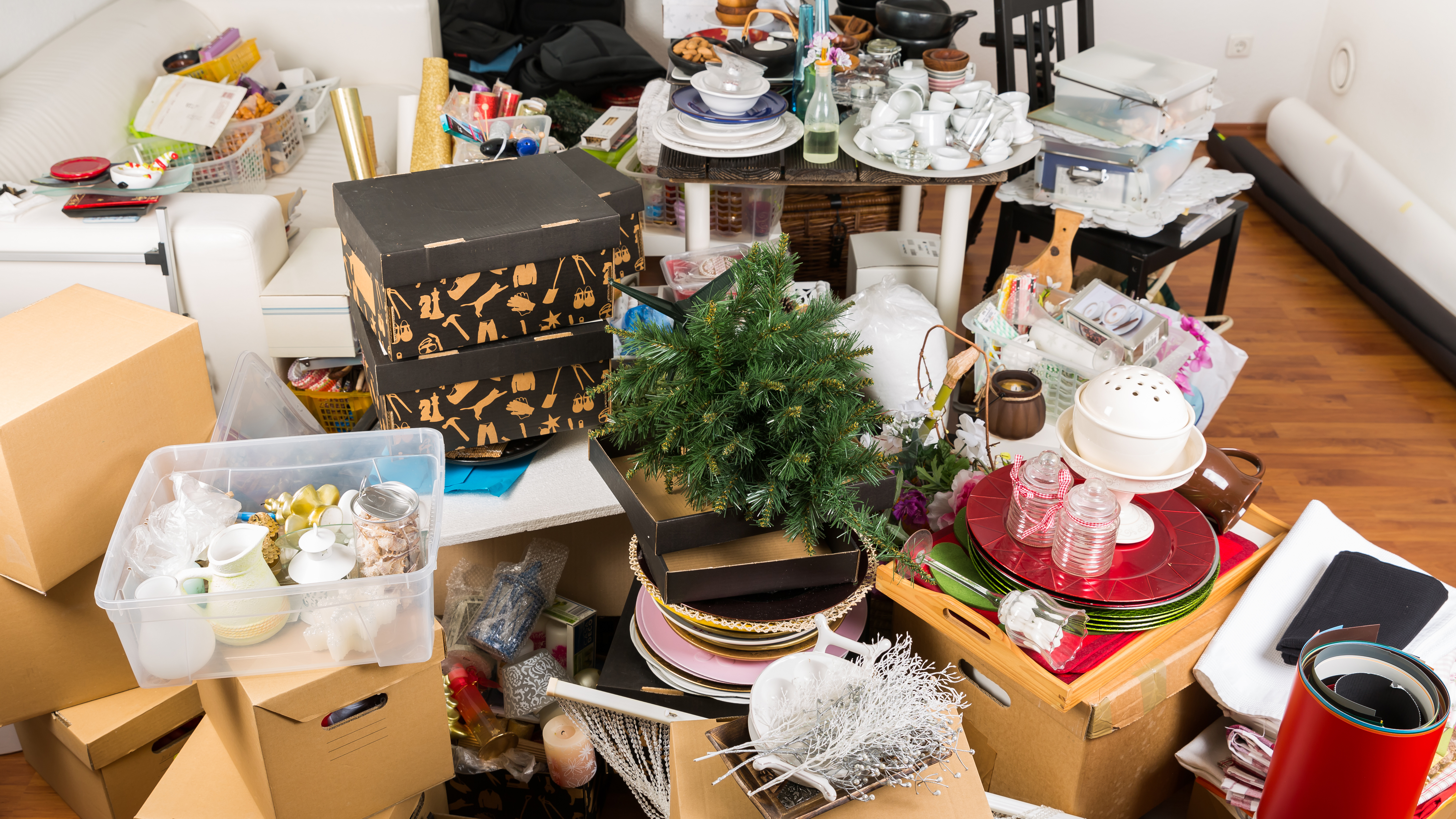
Decluttering is something most people want to do, but very few people feel confident starting. In Kingston, I meet homeowners all the time who feel completely overwhelmed by the state of their home — not because it’s messy in a dramatic way, but because clutter has slowly built up over months or years until it feels impossible to face.
They often tell me:
“I don’t even know where to begin.”
“I keep trying, but I get stuck every time.”
“I start a pile and then I shut down.”
“I feel like I’ll never get ahead.”
“I’m embarrassed that it’s gotten this far.”
What I want every homeowner to understand is this: feeling overwhelmed by clutter is not a personal failure. It’s a normal response to having too many decisions, too little time, and no clear structure for how to move forward.
Decluttering becomes emotionally heavy when it feels endless. It becomes exhausting when it’s approached without a plan. And it becomes discouraging when people believe they should be able to do it alone.
My role is to make decluttering feel possible again — not by forcing homeowners to do everything at once, but by guiding them through a calm, step-by-step process that removes overwhelm and builds confidence.
In this blog, I’m going to explain exactly how I help Kingston homeowners declutter without feeling stuck, why decluttering feels so hard in the first place, and what actually makes the process easier and sustainable.
Why Decluttering Feels So Overwhelming in Kingston Homes
Before decluttering becomes easier, it helps to understand why it feels difficult.
In Kingston homes, overwhelm often builds because of a combination of factors:
Many people live in their homes for years, accumulating belongings slowly
Storage layouts don’t always match modern needs
Items from different life stages overlap
Busy routines leave little time for sorting
Emotional attachment makes decisions harder
People try to declutter too much, too fast
Systems aren’t built to prevent clutter from returning
Clutter is rarely about laziness. It is usually about life moving faster than organization can keep up with.
When a homeowner is already stressed, decluttering becomes one more overwhelming responsibility. That’s why my approach begins with reducing pressure, not increasing effort.
The First Thing I Do: Remove the Shame From the Process
One of the biggest barriers to decluttering is shame.
Many Kingston homeowners feel like they should have figured it out already. They apologize before I even step inside:
“I’m sorry it’s like this.”
“I promise I’m not usually messy.”
“I’ve been meaning to deal with this for years.”
The truth is, clutter happens to everyone. Homes are lived in. Life is full. Seasons change. Priorities shift. People go through transitions. Clutter is not a reflection of someone’s worth or effort.
The first thing I do is reassure homeowners:
This is not about judgment.
This is about support.
This is about creating relief.
Once shame is removed, people can think clearly again. And clarity is where decluttering begins.
Why People Get Stuck: Decluttering Requires Too Many Decisions
Decluttering is hard because it’s not one task — it’s hundreds of decisions.
Every item asks a question:
Do I need this?
Will I use this?
Should I keep this?
Where does it go?
What if I regret letting it go?
When homeowners try to declutter without structure, decision fatigue sets in quickly. They become mentally exhausted, overwhelmed, and stuck.
That’s why I never begin with massive categories or emotional items. I begin with manageable steps that create momentum without draining energy.
Step One: I Start With Spaces That Create Immediate Relief
When a Kingston homeowner feels overwhelmed, I don’t start in the basement. I don’t start with sentimental boxes. I don’t start with the hardest space.
I start with the areas that will create the fastest emotional relief.
These often include:
Entryways
Kitchen counters
Living room surfaces
Bathrooms
Bedroom floors
These spaces matter because they affect daily life constantly. Clearing them creates immediate calm and helps homeowners feel progress right away.
When people see change quickly, they stop feeling stuck.
Step Two: I Declutter What’s Visible Before What’s Hidden
One of the most common mistakes homeowners make is starting with hidden storage.
They open a closet, pull everything out, and suddenly the home feels worse than before. Overwhelm increases, and the project gets abandoned.
Instead, I focus on visible clutter first.
Visible clutter creates mental noise. It makes the home feel chaotic even when the deeper storage is untouched.
By clearing what is seen every day, homeowners experience an instant shift:
The home feels lighter.
The space feels calmer.
The process feels possible.
Only after visible spaces are stabilized do we move deeper.
Step Three: I Break Decluttering Into Small, Clear Categories
Decluttering feels impossible when everything is mixed together.
So I break each space into simple categories:
Items that belong here and are used regularly
Items that belong elsewhere in the home
Items that no longer serve a purpose
Items that need time before a decision
This prevents overwhelm because homeowners aren’t trying to make 50 decisions at once. They are making one type of decision at a time.
Small categories create clarity. Clarity creates movement.
Step Four: I Use Gentle Decision-Making Questions
When homeowners feel stuck, it’s often because they’re asking the wrong questions.
Instead of “Should I get rid of this?” I guide them with gentler prompts:
Does this support your life right now?
Would you choose this again today?
Is this adding value or adding weight?
Do you want to store this, or live with it?
Is this something you truly use, or something you feel obligated to keep?
These questions reduce guilt and make decisions feel clearer.
Decluttering becomes easier when it feels aligned with the present, not driven by pressure.
Step Five: I Create Systems While We Declutter, Not After
Many people declutter first and think they’ll organize later. But without systems, clutter returns immediately.
As we declutter, I build structure at the same time:
Clear homes for everyday items
Simple storage zones
Drop areas that prevent piles
Categories that make sense for the homeowner’s habits
Organization is not about bins. It’s about function.
When systems are built alongside decluttering, the reset becomes lasting.
Step Six: I Focus on Reducing Effort in Daily Life
A decluttered home only stays decluttered if it’s easy to maintain.
That’s why my systems are designed to reduce effort:
Items stored where they are used
Fewer steps to put things away
Simple categories instead of complicated rules
Storage that is accessible and intuitive
Clear limits that prevent overflow
If a system requires too much energy, it won’t last.
My goal is to make organization feel natural, not exhausting.
Step Seven: I Teach Homeowners How to Prevent Clutter From Returning
Decluttering isn’t just about removing items — it’s about preventing the same patterns from repeating.
I teach homeowners simple habits such as:
One-minute resets of key surfaces
Weekly check-ins to catch clutter early
Drop zones for daily life items
Clear rules for incoming mail and purchases
Boundaries around storage space
These habits are not rigid. They are supportive.
The goal is not perfection. The goal is recovery and ease.
Step Eight: I Help Homeowners Let Go Without Regret
Many homeowners stay stuck because of emotional attachment.
They fear regret. They fear waste. They fear forgetting.
I remind them:
Letting go does not erase the memory.
Keeping everything does not honor the past.
Peace matters too.
We focus on keeping what truly matters and releasing what no longer supports the life being lived today.
When sentimental clutter is approached with care, homeowners feel lighter — not guilty.
The Emotional Shift That Happens When Decluttering Becomes Possible
One of the most powerful moments in my work is when a homeowner stops feeling stuck.
They begin to say:
“I can breathe again.”
“This feels manageable now.”
“I didn’t realize how much this was affecting me.”
“I finally feel in control.”
Decluttering is not just physical. It’s emotional relief.
When a Kingston home becomes calmer, the homeowner becomes calmer too.
That is the real transformation.
Final Thoughts: Decluttering Doesn’t Have to Feel Overwhelming
Decluttering feels overwhelming when people try to do it alone, all at once, without structure.
But when the process is calm, supportive, and step-by-step, decluttering becomes possible.
My approach helps Kingston homeowners:
Start without fear
Make decisions without guilt
Create progress without burnout
Build systems that last
Feel calm in their home again
A decluttered home is not about minimalism or perfection.
It’s about clarity.
It’s about comfort.
It’s about a home that supports your life instead of weighing it down.
And when decluttering is done the right way, it stops feeling impossible — and starts feeling freeing.